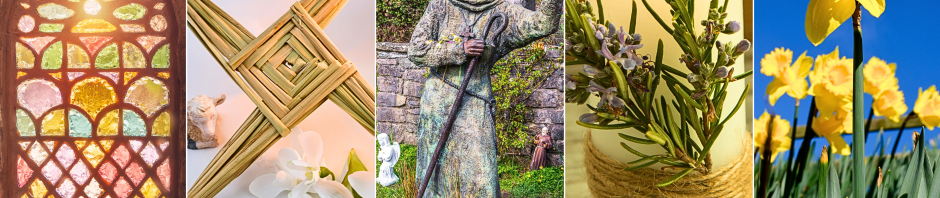
As February rolls in, Ireland turns its attention to Saint Brigid. The legacy of this world-renowned Patron Saint is deeply woven into the country’s seasonal traditions. For visitors, Saint Brigid’s Day offers a chance to experience traditions that are still very much alive in communities across Ireland today.
Who Was Saint Brigid?
Saint Brigid is the Patroness of Ireland, also known as ‘Mary of the Gael’. She is one of Ireland’s 3 national patron saints, alongside Saint Patrick and Saint Columba. Dating all the way back to the 5th century, Brigid is remembered for her remarkable displays of compassion, leadership, and generosity.
According to legend, Brigid founded a double monastery in Kildare, meaning that it welcomed both men and women which was very unusual in those times. The site itself was already sacred, as it was once a pagan shrine dedicated to the Celtic goddess Brigid. Saint Brigid’s monastery grew to become one of the most important centers of learning and spirituality in medieval Ireland. The original monastery is long gone, but a new Cathedral was later built on the same spot in the 13th century.
Saint Brigid’s Day
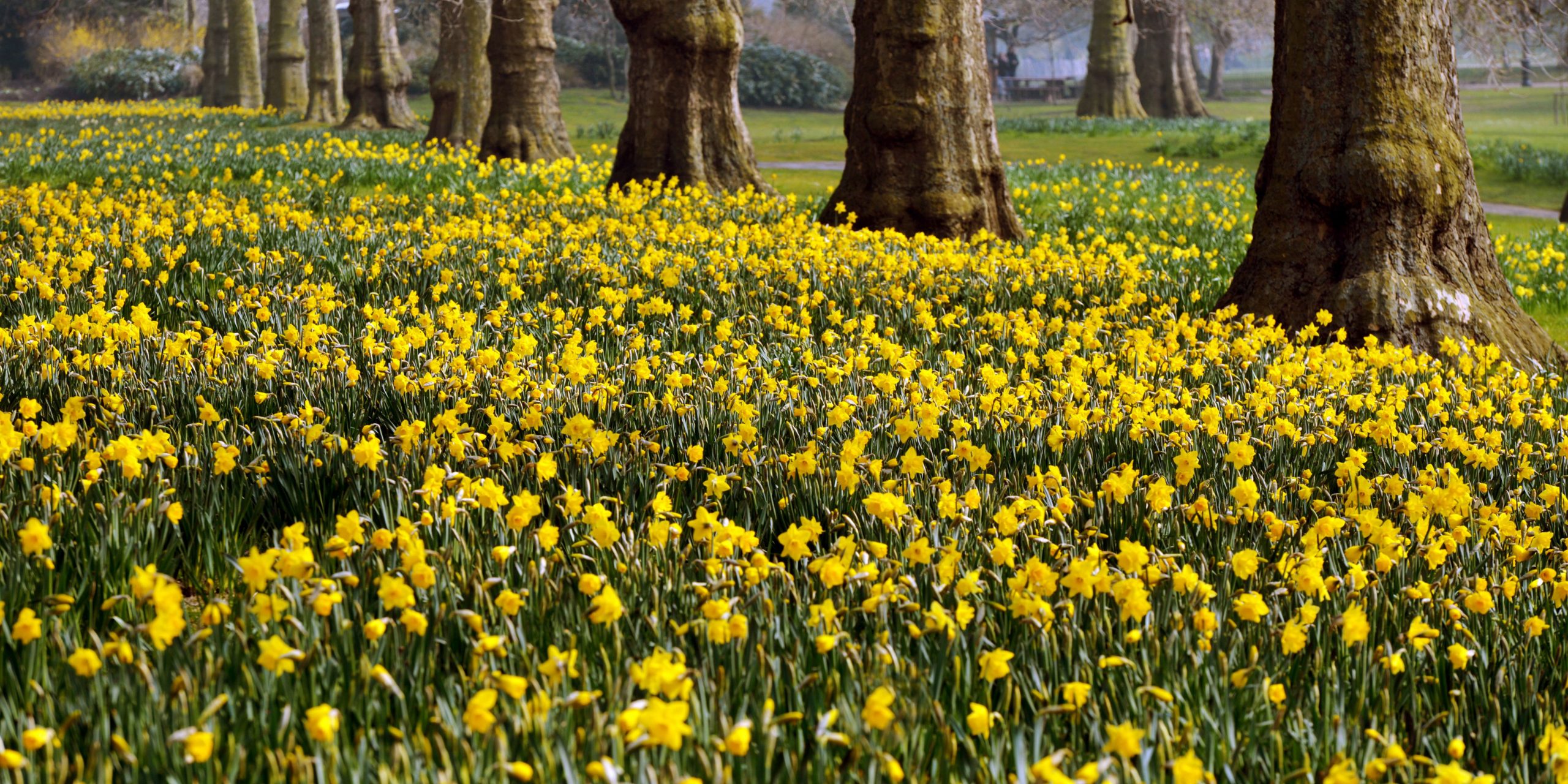
Her feast day, Saint Brigid’s Day, takes place every year on the 1st of February to celebrate the start of Spring. Saint Brigid’s Day is believed to have come from the pagan festival ‘Imbolc’ which literally translates to ‘in the belly!’ In pagan mythology, Brigid was the goddess of fertility. Over time, the traditions of these Christian and Pagan festivals blended beautifully, giving the first day of February its unique character.
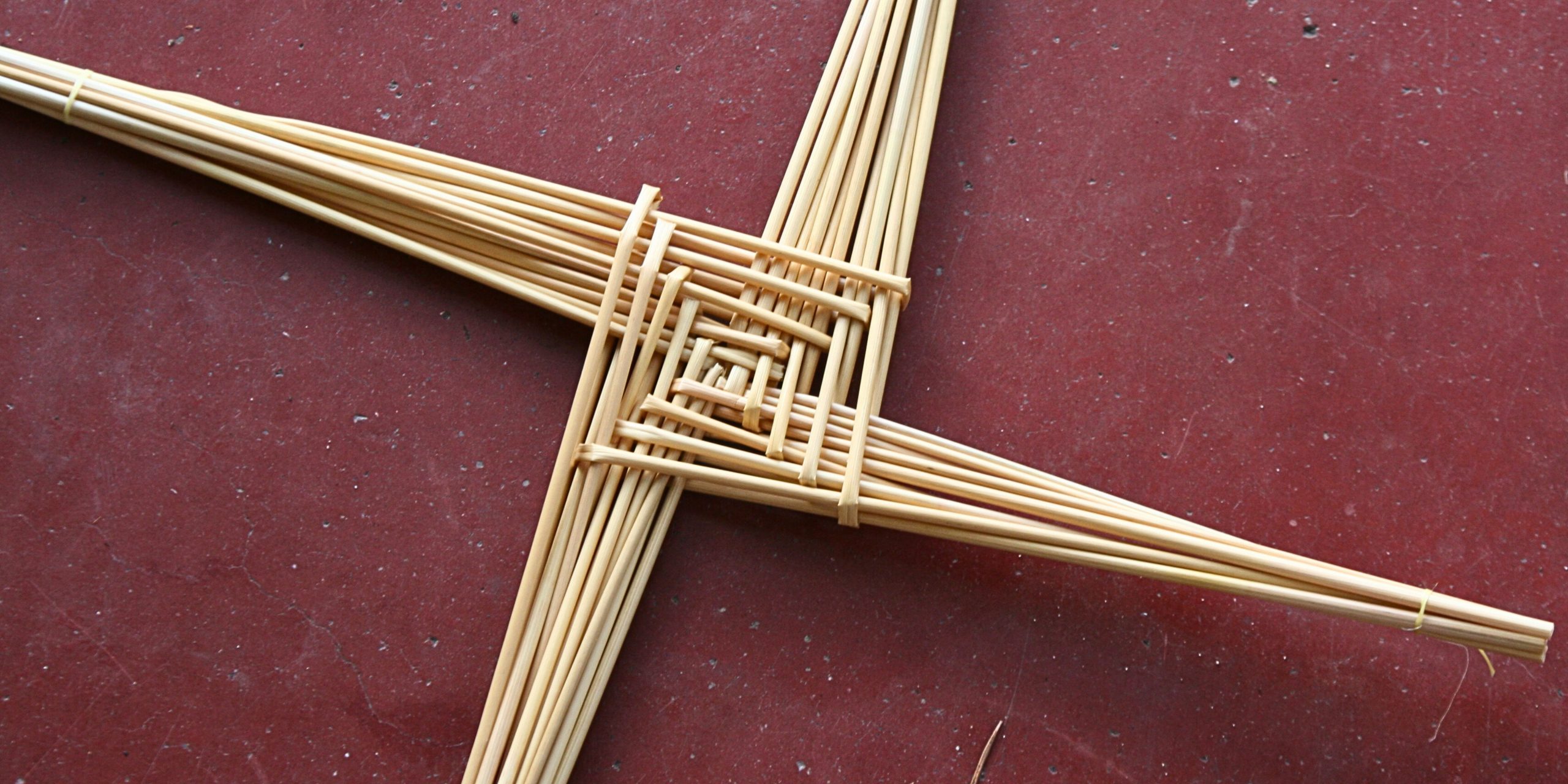
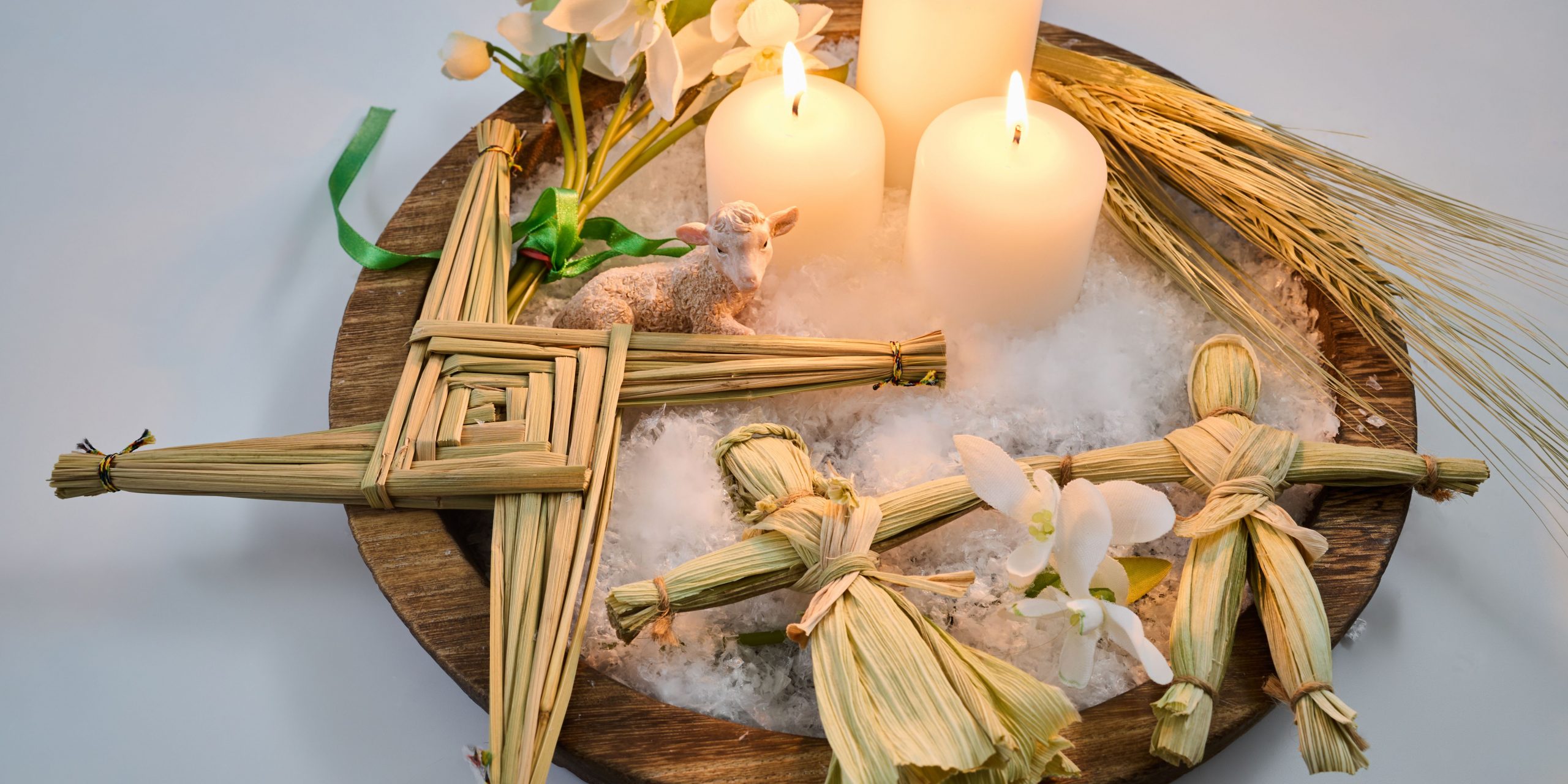
Weaving a St Brigid’s Cross from rushes is one of the most famous customs associated with St. Brigid’s Day. These crosses are traditionally hung in homes to protect against fire and illness for the year ahead. It’s no wonder this simple but meaningful ritual is still going strong! Even today, communities across Ireland gather to weave crosses every year.
In some parts of Ireland, St Brigid’s Day is celebrated with the ‘’Brideog’’, a handmade doll traditionally fashioned out of straw and dressed in white. The Brigeog is taken from house to house and usually followed by traditional Irish music and dance. Another charming tradition involves Brat Bríde, a piece of cloth or ribbon left outside overnight on 31 January. The cloth is then kept as a token of protection and good health, as legend says that St. Brigid blesses it as she passes by.
A Modern Celebration of Irish Womanhood
In recent years, Saint Brigid’s Day has enjoyed a fresh revival. It is now recognized as a national public holiday, celebrating not only the saint herself but also Irish women, past and present, who have shaped the nation. Every year, festivals, talks, music, art installations, and storytelling events are organized across Ireland to shine a light on the resilience of Irish women.
For visitors, it’s a wonderful time to experience Ireland beyond the postcard views. Saint Brigid’s Day provides the perfect opportunity to engage with locals and witness traditions that continue to evolve while paying homage to the past.
Where to Experience Saint Brigid’s Day in Ireland
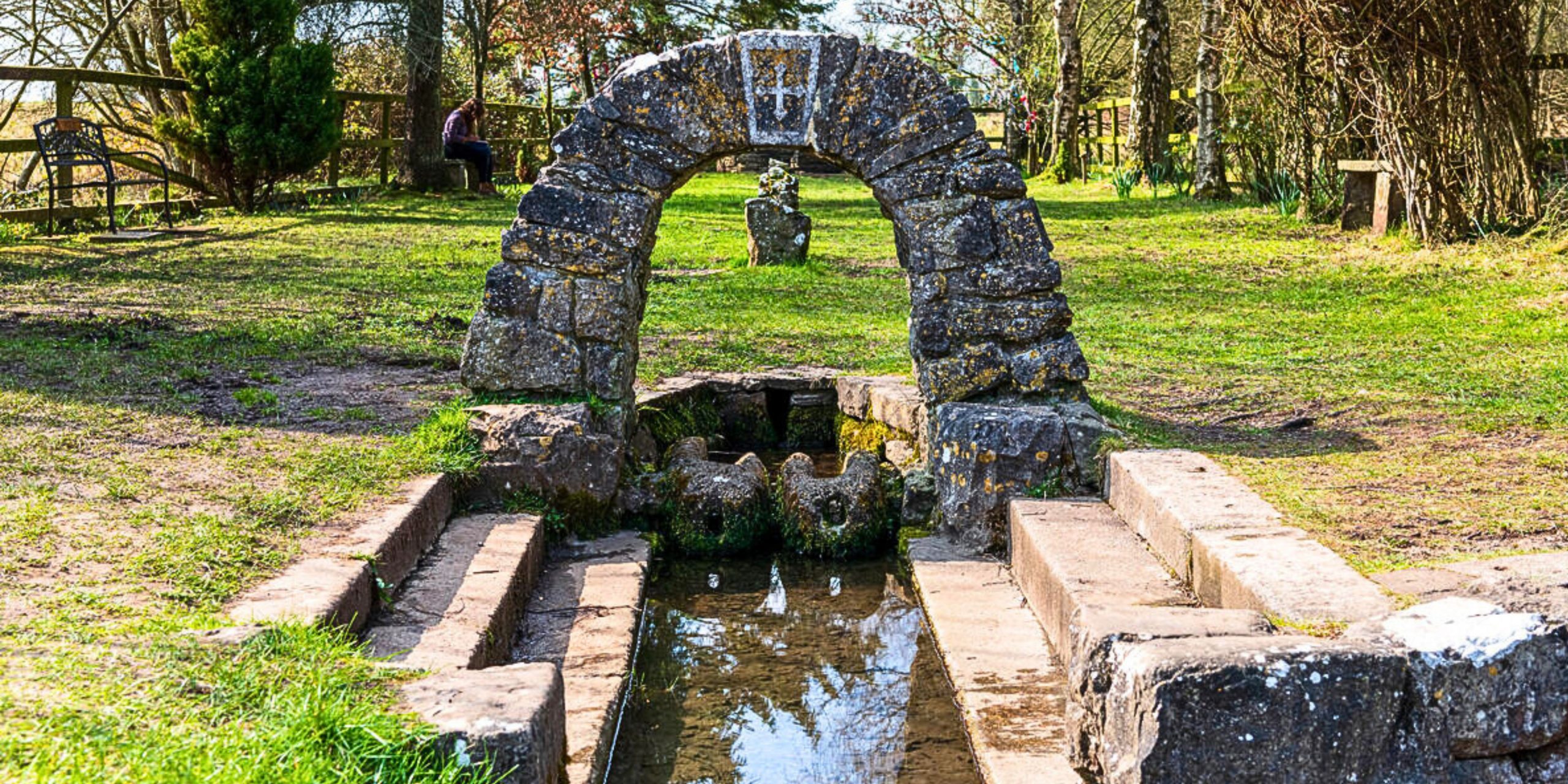
• Kildare: Visit St Brigid’s Cathedral and the surrounding countryside where her story began.
• Local villages and towns: Look out for workshops, parades, and cultural events.
• Museums and heritage centers: Many offer special exhibitions and talks around this time of year.